
Table of Contents
A Buddhist funeral is more than a farewell; it is a sacred journey that honors life, impermanence, and the compassionate transition of consciousness. Rooted in centuries-old traditions, Buddhist funeral rites are designed to bring peace to the departed soul while offering comfort, clarity, and spiritual grounding to grieving families. A complete Buddhist funeral package guided by sacred rituals ensures that every step—from the moment of passing to the final memorial observances—is carried out with mindfulness, respect, and adherence to authentic teachings.
Understanding the Purpose of a Buddhist Funeral
In Buddhism, death is not viewed as an end, but as a transition within the cycle of birth, death, and rebirth. Funeral rituals are therefore centered on guiding the consciousness of the deceased toward a favorable rebirth or liberation, while reminding the living of impermanence (anicca) and compassion (karuṇā). A well-structured funeral package supports this spiritual purpose by integrating chanting, offerings, meditation, and ethical intention.
Immediate Post-Passing Rituals
The funeral process often begins as soon as death occurs. Monks or trained ritual guides may be invited to chant sutras or mantras that calm the mind of the departed and create a peaceful environment. These chants help reduce attachment, fear, or confusion that may arise at the time of death. In a complete funeral package, arrangements are made promptly to ensure that these early rites are conducted respectfully, either at home, in a hospital setting, or at a funeral hall.
Family members are encouraged to maintain a calm, compassionate presence. Loud crying or expressions of intense grief are traditionally discouraged, as they may disturb the consciousness of the departed. The package may include guidance for family members on how to offer prayers, recite mantras, or simply sit in silent mindfulness.
Preparation of the Body
The preparation of the body is carried out with dignity and ritual purity. In many traditions, the body is gently washed, dressed in simple, clean clothing, and positioned mindfully. Sometimes a small image of the Buddha, prayer beads, or sacred texts are placed near the body as sources of blessing and focus.
A complete Buddhist funeral package ensures that these preparations are done according to the specific tradition—Theravāda, Mahāyāna, or Vajrayāna—respected by the family. This includes guidance on appropriate colors (often white or neutral tones), avoidance of excessive adornment, and maintaining an atmosphere of serenity.
Wake and Chanting Ceremonies
The wake period allows family, friends, and community members to gather, pay respects, and participate in merit-making activities. Monks may be invited to conduct chanting sessions over one or multiple days. These chants often include teachings on impermanence, loving-kindness, and wisdom, serving both the deceased and the living.
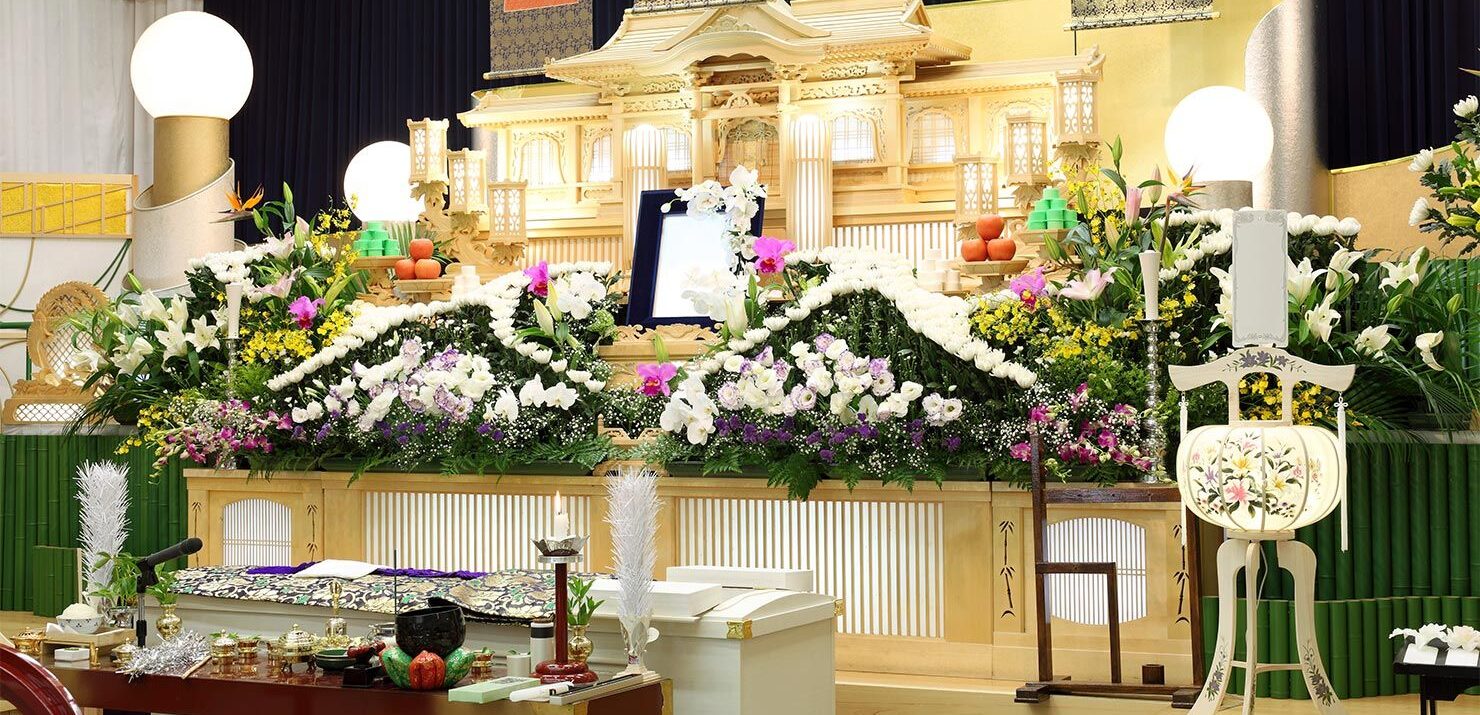
A comprehensive funeral package coordinates the schedule, logistics, and ritual items needed for these ceremonies. This includes altar setup, incense, candles, flowers, offerings of food, and printed chant books. Attendees may also be guided in meditation or silent reflection, reinforcing the spiritual tone of the gathering.
Offerings and Merit-Making
Merit-making is a central aspect of Buddhist funerals. Acts of generosity, ethical conduct, and devotion are dedicated to the deceased, with the intention that the positive karma benefits their next rebirth. Common offerings include food for monks, donations to temples or charities, and symbolic items placed on the altar.
A complete package often includes organized almsgiving ceremonies, where monks receive offerings and bless the family. The ritual leader explains the significance of these acts, helping participants understand that merit is not merely symbolic, but an intentional cultivation of wholesome actions and thoughts.
Funeral Procession and Final Rites
The funeral procession marks the formal farewell. Depending on cultural and regional customs, this may involve chanting as the casket is moved, the carrying of ceremonial items, or mindful walking led by monks. The final rites may take place at a crematorium or burial site, with prayers offered for a peaceful transition.
In Buddhist practice, cremation is common, symbolizing the impermanent nature of the physical body. However, burial may also be chosen in some traditions. A complete funeral package ensures that all rituals at this stage—lighting incense, offering final chants, and moments of silent contemplation—are conducted smoothly and respectfully.
Post-Funeral Observances and Memorials
Buddhist funeral rites do not end on the day of the funeral. Post-funeral observances play a vital role in supporting the departed consciousness and helping the family process grief. Memorial services may be held on specific days, such as the 7th, 49th, or 100th day after passing, depending on tradition.
A comprehensive package includes planning and guidance for these follow-up rituals. Monks may be invited again to chant, and merit-making activities are repeated. These observances provide continuity, allowing the family to gradually transform grief into acceptance and wisdom.
Emotional and Spiritual Support for the Family
Beyond rituals, a complete Buddhist funeral package offers emotional and spiritual support. Funeral coordinators experienced in Buddhist customs help families navigate decisions with clarity and calm. They explain the meaning behind each ritual, reducing confusion and ensuring that actions are aligned with spiritual values rather than social pressure.
This guidance is especially important during a time of loss, when families may feel overwhelmed. By handling logistical details—venue arrangements, monk coordination, ritual materials, and scheduling—the package allows the family to focus on mindful presence and remembrance.
Customization According to Tradition and Culture
Buddhism is diverse, and funeral practices vary across cultures and schools. A well-designed funeral package respects these differences. Whether the family follows Thai, Sri Lankan, Tibetan, Chinese, Japanese, or other Buddhist traditions, rituals are adapted accordingly.
Customization may include language of chanting, specific sutras, altar design, duration of ceremonies, and symbolic elements unique to the tradition. This flexibility ensures authenticity and deep spiritual resonance.
A Meaningful and Compassionate Farewell
A complete Buddhist funeral package guided by sacred rituals offers more than ceremonial correctness; it provides a meaningful framework for honoring life, embracing impermanence, and cultivating compassion. Through chanting, offerings, meditation, and mindful presence, the departed is supported on their journey, and the living are reminded of the profound teachings of the Dharma.
In moments of loss, such a package serves as a bridge between sorrow and serenity. It transforms farewell into a sacred act—one rooted in wisdom, guided by tradition, and illuminated by compassion for all beings.