
Table of Contents
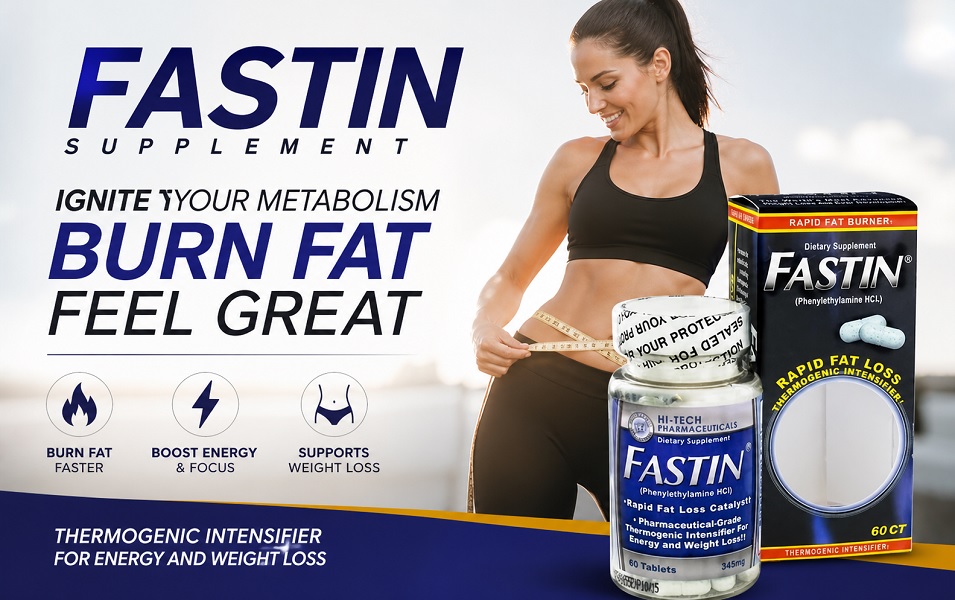
The psychological and neurological profile of Fastin is shaped primarily by its heavy reliance on high-potency alkaloids and central nervous system stimulants. While many users focus on the physical thermogenic properties of the supplement, the cognitive and emotional impact can be far more profound and, in many cases, more disruptive to daily life. These effects stem from the way the supplement’s proprietary blend alters the delicate balance of neurotransmitters—specifically dopamine, norepinephrine, and epinephrine—within the brain.
The Spectrum of Anxiety and Emotional Instability
At the forefront of the psychological experience is a heightened state of arousal that frequently tips over into acute anxiety. Because Fastin supplement utilizes ingredients like Yohimbine HCl and Phenylethylamine HCl, it acts as a significant pharmacological stressor. For many users, this doesn’t just feel like “extra energy”; it manifests as a persistent sense of impending doom, physical nervousness, and, in susceptible individuals, full-blown panic attacks. These ingredients can overstimulate the amygdala, the brain’s fear center, leading to a “fight or flight” response that occurs even in the absence of an actual external threat.
Beyond simple anxiety, users often report a phenomenon known as “stimulant irritability.” This is characterized by a shortened fuse, sudden outbursts of anger, and unpredictable mood swings. The “high” provided by the initial dose—often experienced as a temporary surge of confidence or euphoria—is frequently followed by a “crash” or dysphoric state. During this comedown, individuals may feel an intense sense of unease, sadness, or a flat emotional state that makes normal social interaction difficult.
Cognitive Disruptions and Sleep Impairment
While stimulants are often sought to improve focus, the excessive stimulation provided by this specific formula can actually lead to cognitive fragmentation. Rather than a sharp, directed focus, users may experience “racing thoughts” where the mind jumps rapidly from one topic to another, making it nearly impossible to complete complex tasks. This is often accompanied by jitters and a lack of physical coordination.
The impact on sleep is perhaps the most pervasive psychological side effect. The long half-life of the stimulants in the formula can cause persistent insomnia. This sleep deprivation creates a vicious cycle; as the user becomes increasingly exhausted, their cognitive function declines, their irritability spikes, and their mental resilience weakens. Over time, chronic sleep inhibition can lead to significant mental fog and a decrease in overall life satisfaction.
Severe Psychiatric Risks and Precautions
In more extreme cases, or when taken in doses exceeding the manufacturer’s recommendations, the stimulant load can trigger severe psychiatric events. There are documented instances where high-potency stimulant blends have been linked to psychotic episodes, characterized by a loss of touch with reality, disorganized thinking, or even auditory and visual hallucinations. For those with a history of Bipolar Disorder, ingredients like Yohimbine are particularly dangerous, as they have the potential to trigger manic or hypomanic episodes.
Furthermore, the increase in norepinephrine can lead to heightened impulsivity. This means a person might engage in risky behaviors or make snap decisions they wouldn’t normally consider, simply because their internal “braking system” has been overridden by chemical stimulation.
Final Safety Warning: Because of these potent psychological triggers, anyone with a history of anxiety, depression, or more serious mental health conditions should exercise extreme caution. The mental “cost” of the supplement can often outweigh the physical weight-loss benefits. It is imperative to consult with a medical professional or a psychiatrist before introducing such a heavy stimulant load into your system to ensure your mental health remains stable throughout your fitness journey.